
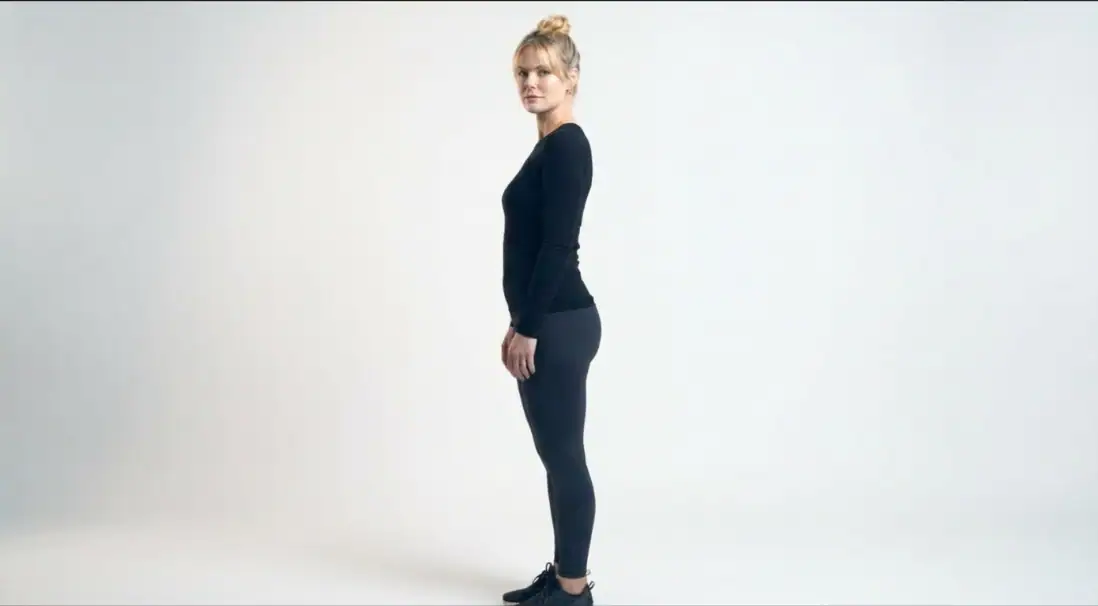
A tummy tuck (abdominoplasty) is one of the most reliable ways to address loose skin, stretched tissue, and a widened abdominal wall that won’t fully bounce back after pregnancy or major weight loss. For the right candidate, it can create a flatter abdomen, improve waist definition, and restore a firmer core. It’s also one of those procedures where planning matters as much as technique. The goal is a result that looks natural on your frame and holds up well over time.
If you’d like a personalized assessment, you can request a consultation here: Book a Consultation.
What a tummy tuck actually does (and what it doesn’t)
A tummy tuck is a contouring procedure, not a weight-loss procedure. It focuses on three common issues:
- Excess lower abdominal skin: Especially skin that hangs, bunches, or won’t tighten with exercise.
- Abdominal wall laxity: Often related to muscle separation (diastasis) after pregnancy or significant weight changes.
- Contour refinement: In many cases, strategic contouring can help smooth transitions and improve the waistline.
What it does not do is replace healthy habits. If weight is still actively changing, it can affect the outcome. The strongest results usually come when weight is stable and the goals are realistic: firmer, flatter, more defined, and more comfortable in clothing.
Who tends to be a good candidate
Most tummy tuck patients fall into a few common categories. You may be a good candidate if:
- You’re at a stable weight and can maintain it.
- You have loose skin or stretched tissue that doesn’t respond to exercise.
- You notice a “pooch” or bulge that feels structural, not just related to fat.
- You’re a non-smoker (or willing to stop for the required period before and after surgery).
- You understand recovery takes time and you can follow restrictions.
Timing matters too. If you’re planning a future pregnancy, it may be better to wait because pregnancy can stretch the repair. If you’re actively losing weight, it may make sense to finish that chapter first, then plan surgery to match your long-term baseline.
Types of tummy tuck procedures
Not every abdomen needs the same approach. The “right” tummy tuck depends on where the looseness is, whether muscle separation is present, and how far the correction needs to extend.
Full tummy tuck
A full tummy tuck typically addresses the abdomen above and below the belly button and often includes abdominal wall tightening when appropriate. This option is common after pregnancy or significant weight loss when laxity is more widespread.
Mini tummy tuck
A mini tummy tuck focuses on the lower abdomen. It can be a good fit when concerns are limited to the area below the belly button and upper abdominal skin is relatively tight. The scar is usually shorter, and downtime can be a bit lighter, but the correction is also more limited.
Extended tummy tuck
An extended approach can help when looseness continues around the sides toward the flanks. This is more common after major weight loss, when the “pull” needs to reach farther to smooth the waistline and side contour.
Drainless approach
Some surgical plans can reduce or eliminate the need for drains by using specific internal closure techniques. This isn’t a fit for every anatomy, but when appropriate, it can simplify post-op care. The decision is best made after an in-person exam and planning.
Can a tummy tuck be combined with liposuction or a mommy makeover?
Sometimes combining procedures makes sense, and sometimes staging is safer. Combining a tummy tuck with liposuction can refine transitions and improve overall contour, especially around the waist. A “mommy makeover” often combines abdominal and breast procedures to restore proportion after pregnancy.
The upside is one recovery window and a coordinated plan. The trade-off is longer surgery time and a more demanding recovery. During consultation, the focus should stay on safety first: overall health, the scope of change, and whether doing everything at once is appropriate.
What to expect during a consultation
A good consultation should feel calm and structured. You should leave understanding what’s possible, what the trade-offs are, and what the recovery will look like in real life. A typical consult includes:
- Your goals: What bothers you, what you want to change, and what you want to keep.
- Evaluation: Skin quality, tissue laxity, and abdominal wall support are assessed.
- Procedure options: Full vs mini vs extended, plus whether contouring is helpful.
- Scar planning: Where the incision sits, and how we aim to keep it hidden in clothing and swimwear.
- Recovery timeline: What you can do week-by-week, including work and activity restrictions.
If you’d like to schedule, here’s the booking link: Request a Consultation.
Recovery: a practical timeline
Most patients feel noticeably better after the first week, but the full healing process is measured in weeks and months. A helpful way to think about it is phases.
- Week 1: Rest, swelling management, incision care, short walks, and avoiding strain. You’ll move a little slower and you’ll want help at home.
- Weeks 2–3: You usually feel more like yourself. Many patients return to non-physical work, but you’re still healing internally and you can’t “make up for lost time” yet.
- Weeks 4–6: Activity often increases gradually based on how you’re healing and the extent of repair. Heavy lifting and intense core work typically wait.
- Months 3–6: Swelling continues to settle, scars mature, and the contour looks more refined and natural.
The best recoveries are the ones that are boring. Follow instructions, don’t rush, and keep follow-ups. That’s how you protect your result.
Scars, belly button position, and “natural-looking” results
Scarring is part of abdominoplasty, but good planning keeps the incision low and designed to be hidden by underwear and most swimwear. Scar quality also depends on your skin, your healing pattern, and how closely you follow scar-care instructions once the incision is healed.
Another factor patients care about is the belly button. A natural-looking result depends on thoughtful placement and shape, plus smooth contour transitions. The best outcomes don’t look “tight” in an obvious way. They look proportionate, athletic, and consistent with the rest of your body.
Risks and safety basics
All surgery has risk. A responsible plan includes clear discussion of risks, how they’re reduced, and what follow-up support looks like. Common concerns include infection, bleeding, fluid collections, delayed healing, scarring concerns, and anesthesia-related risk. Your personal risk profile depends on health history, smoking status, weight stability, and the scope of surgery.
You should feel comfortable asking:
- Where will my surgery take place, and what safety standards does the facility follow?
- Who provides anesthesia and what monitoring is used?
- How do I reach the team after hours if I have a concern?
- What does follow-up look like and how often will I be seen?
Maintaining results
A tummy tuck result can be long-lasting when weight remains stable. Think of surgery as the structural reset, and lifestyle as the maintenance plan. The most important habits are simple:
- Keep weight steady and avoid major swings.
- Resume exercise gradually once cleared, especially core and posture work.
- Follow scar-care guidance and protect scars from sun exposure.
- Keep follow-ups so healing can be monitored and small issues are handled early.
Frequently Asked Questions
How long does a tummy tuck take?
Procedure time depends on the plan and whether other procedures are added. Your consultation should include a realistic estimate based on your anatomy and goals.
Is a tummy tuck the same as liposuction?
No. Liposuction removes localized fat but does not correct loose skin or muscle separation. A tummy tuck addresses skin excess and abdominal wall laxity. In some cases, combining approaches can create a smoother, more balanced contour.
When can I go back to work?
Many patients return to desk-based work in a couple of weeks, depending on the extent of surgery and how they feel. Physically demanding jobs usually require more time. You’ll get a plan tailored to your schedule.
Will I have a visible scar?
You will have a scar, but incision planning keeps it low and designed to be hidden by most clothing and swimwear. Scar appearance typically improves over time, and good scar care makes a meaningful difference.
Next step
If you’re considering a tummy tuck and want a clear plan that matches your body and your lifestyle, schedule a consultation. You can request a visit here: Book a Consultation. If you prefer to speak with the team directly, call (248) 901-0011 or visit the office at 36400 Woodward Ave #130, Bloomfield Hills, MI 48304.
