
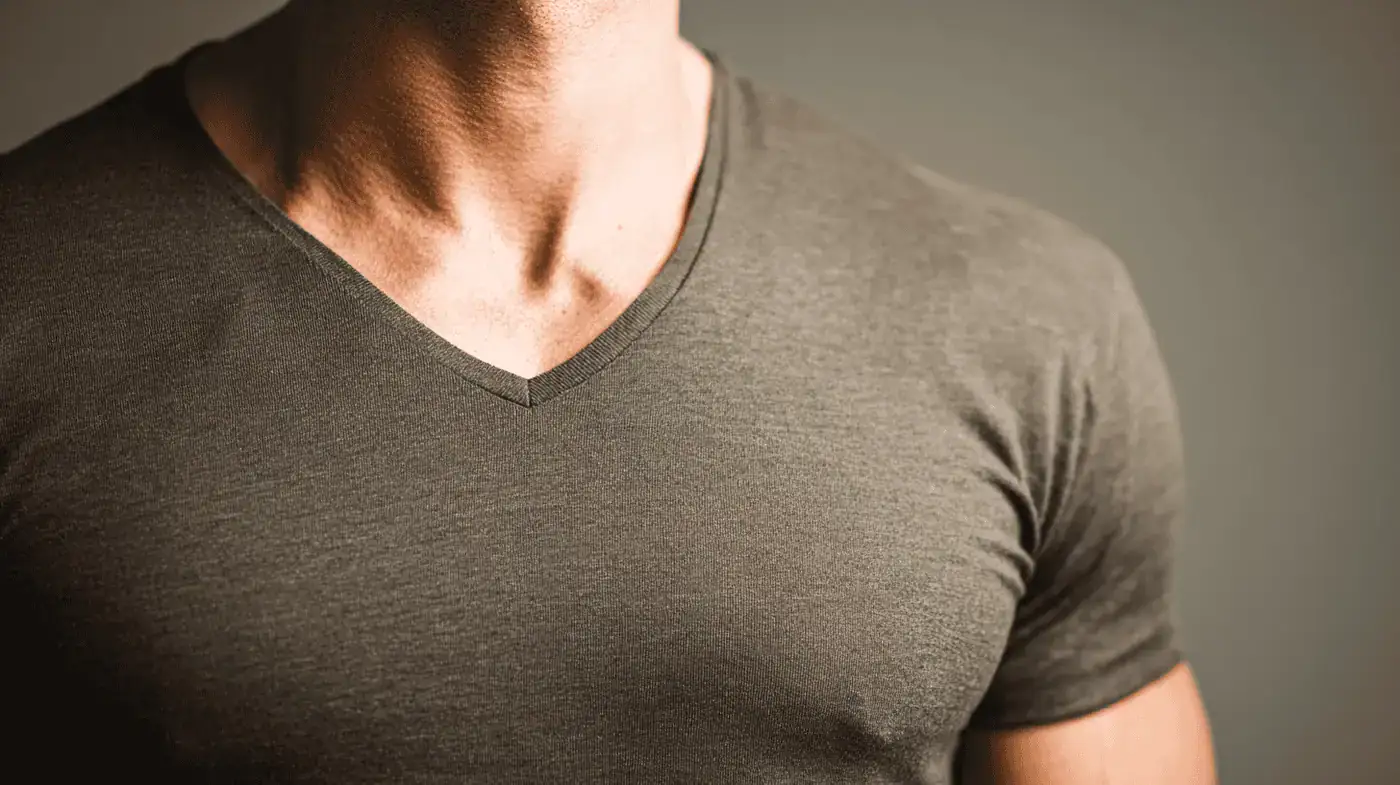
We had an extensive discussion about gynecomastia and how surgery can restore a flatter, more masculine chest. Gynecomastia is the development of excess breast tissue in men. It can affect confidence, clothing choices, and participation in activities where the chest is visible. Surgery addresses the glandular tissue, fat, and—when necessary—excess skin to create a sculpted, balanced chest contour.
Understanding Gynecomastia
Several factors can contribute to gynecomastia:
- Hormonal shifts: puberty, aging, or endocrine imbalance
- Medications: some drugs stimulate breast tissue growth
- Medical conditions: liver or kidney disease, hormonal disorders
- Idiopathic: no identifiable cause, which is very common
Types of Gynecomastia
- Mild: small amount of tissue beneath the nipple
- Moderate: visible chest enlargement with contour change
- Severe: breast-like appearance and stretched skin
Components Contributing to Fullness
- Glandular tissue: dense, firm breast tissue behind the nipple
- Fat: softer adipose tissue throughout the chest
- Skin laxity: stretched or excess skin in long-standing or severe cases
Surgical Approach: Excision + Liposuction
The combination of glandular excision and power-assisted liposuction (PAL) provides the safest, most predictable results.
1. Glandular Tissue Excision
- Performed through a small incision along the bottom half of the areola (3 o’clock to 9 o’clock)
- Dense glandular tissue beneath the nipple is removed
- A thin layer is intentionally preserved to prevent nipple inversion or collapse
- The incision heals along the natural pigment border, making the scar less noticeable
2. Power-Assisted Liposuction (PAL)
- Small, hidden incisions (8–10 mm)
- Oscillating cannula removes fat with less trauma
- Uniform contouring across the entire chest, especially the sides
- Minimizes heat—protecting the overlying skin
This combined approach provides the best chest sculpting and helps the skin contract naturally.
Why Not Other Liposuction Methods?
Ultrasound-, laser-, and cryo-assisted liposuction all introduce heat or cold that increases the risk of skin injury. Dr. Freedland avoids these methods for gynecomastia reduction.
Important Note About Weight
Liposuction is not a weight-loss procedure. It removes fat cells to refine contour, but if you gain weight:
- Fat can return to your body
- However, it is less likely to accumulate in treated chest areas
- The chest typically keeps a better shape even with moderate weight gain
Skin Management and Scar Considerations
The chest skin often contracts dramatically after volume removal. For this reason, Dr. Freedland takes a conservative approach to skin excision.
Why Skin Excision Is Avoided When Possible
- The male chest is flat with no natural folds to hide scars
- Male chest scars tend to widen and thicken more than other body areas
- Vertical or oblique scars are highly visible
- Better to accept mild skin laxity than create prominent scars
When Skin Removal Is Necessary
In rare cases, limited skin excision is required:
- Periareolar (donut) excision: scar around the areola circumference
- Short vertical “comma” excision: very limited downward extension only if absolutely required
Extensive skin patterns used in female breast surgery are not appropriate for men because they create visible, permanent scars without natural folds to hide them.
The Gynecomastia Procedure: Step-by-Step
- General anesthesia
- Tumescent infiltration to minimize bleeding
- Power-assisted liposuction for complete contouring
- Glandular excision through areolar incision
- Limited skin removal only when absolutely necessary
- Drains placed depending on bleeding and fluid risk
- Layered closure and compression garment application
Recovery Timeline
First 24–48 Hours
- Compression garment worn continuously
- Swelling, bruising, and tightness are normal
- Pain is usually mild to moderate
- Drains often remain for about one week
First Week
- Bruising peaks at days 2–3, then improves
- Swelling slowly decreases
- Numbness in the chest or nipples is common
- Most patients return to desk work within 5–7 days
Weeks 2–4
- Bruising resolves
- Swelling continues to decrease
- Can resume light activity
- No upper-body lifting or chest workouts
Weeks 4–6
- Most swelling resolved
- Chest contour becomes more defined
- Gradual return to exercise
Months 3–12
- Residual swelling continues to fade
- Skin tightens and conforms to chest contour
- Scars mature but remain visible
- Final results at 6–12 months
Scar Expectations
- Inferior areolar scar: usually minimal and well camouflaged
- Liposuction scars: tiny and often hard to see over time
- Periareolar or vertical scars: more visible; used only when necessary
- Male chest scars may widen or thicken unpredictably
Potential Risks and Complications
- Temporary or permanent nipple sensation changes
- Nipple necrosis (rare)
- Infection
- Bleeding or hematoma
- Seroma
- Noticeable scars
- Contour irregularities or asymmetry
- Residual tissue or recurrence
- Need for revision surgery
Meticulous technique and conservative tissue removal greatly reduce these risks.
Setting Realistic Expectations
Gynecomastia Surgery Can:
- Flatten and masculinize chest contour
- Improve confidence and comfort in clothing
- Provide long-lasting improvement
Gynecomastia Surgery Cannot:
- Guarantee perfect symmetry
- Eliminate all scars
- Completely prevent recurrence if underlying causes persist
- Ensure perfect skin contraction
Patience is essential—results evolve over months as swelling resolves and skin tightens.
Making the Decision
Gynecomastia surgery can be transformative, but it requires understanding the balance between contour improvement, scarring, recovery needs, and realistic expectations. Staying at a stable weight, wearing compression garments, avoiding early exercise, and following instructions closely all support an excellent outcome.
Photos were obtained, a quote was given, and the patient will return in a week for follow-up discussion.
