
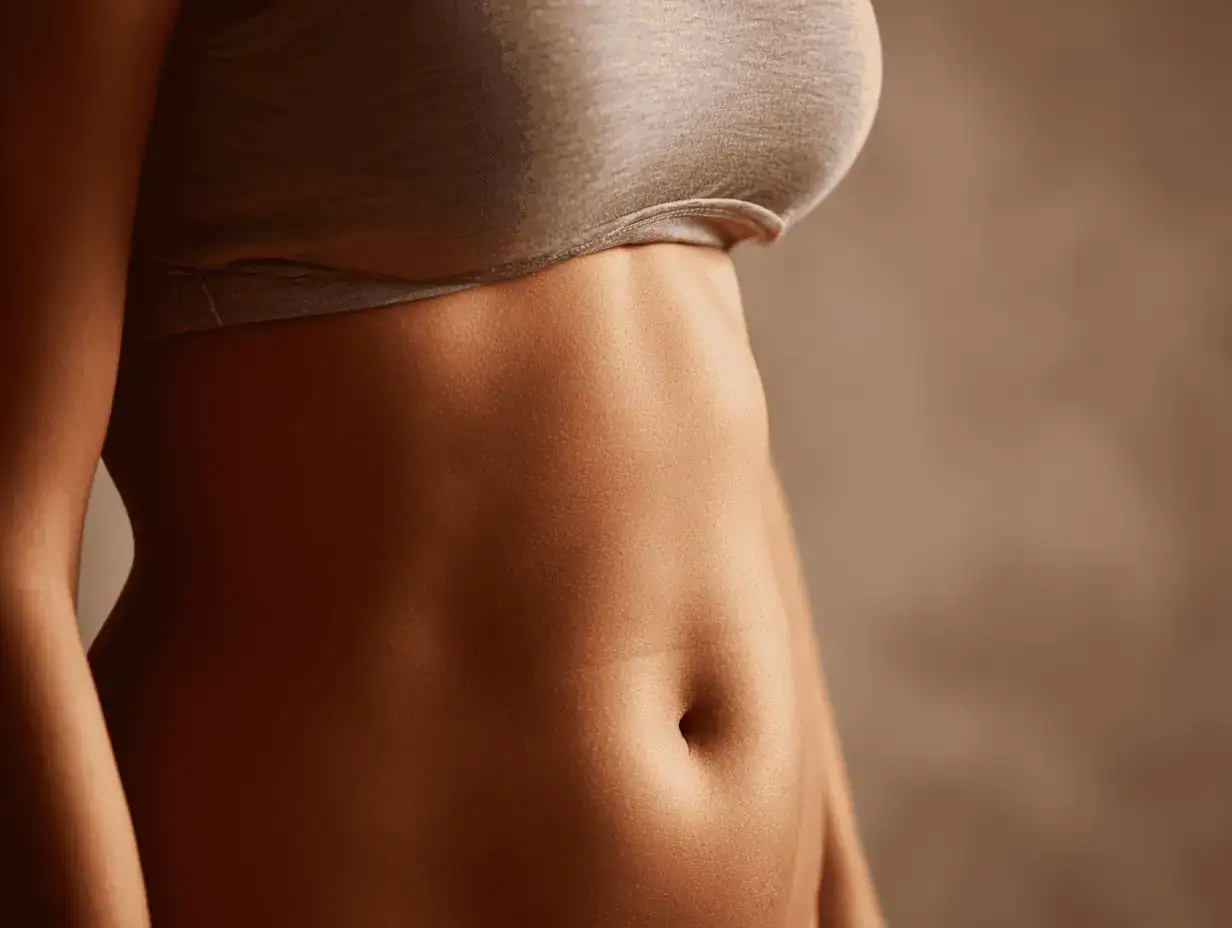
We had an in depth conversation about liposuction and what it can realistically do for body contouring. Liposuction is best described as liposculpture. It removes stubborn pockets of fat through very small incisions and reshapes the body to improve proportions. It is not a weight loss procedure. The goal is a smoother, more balanced silhouette that still looks like you.
What Liposuction Can Improve
- Localized fat deposits that resist diet and exercise
- Areas where your proportions feel out of balance
- Contours around the waist, hips, back, thighs, chest, arms, and more
- Definition in select areas when the skin quality is good
What Liposuction Does Not Do
- It does not produce major weight loss on the scale
- It does not tighten loose skin on its own
- It does not improve cellulite
- It does not replace exercise or a healthy lifestyle
If loose skin is a major issue, we may discuss skin tightening or excisional procedures like a tummy tuck or thigh lift depending on the area.
How Liposuction Is Performed
Small, Hidden Incisions
Liposuction uses tiny incisions, usually about 8 to 10 mm. Even though the incisions are small, they are placed carefully in natural creases or less visible areas to keep scars discreet.
Tumescent Infiltration for Safety
The procedure begins by placing a special fluid into the treatment areas. This solution contains saline, a medication that minimizes bleeding, and local anesthetic. This step improves safety, reduces blood loss, makes fat removal smoother, and helps with comfort during and after surgery.
Power Assisted Liposuction Only
Dr. Freedland uses power assisted liposuction (PAL) exclusively. This technique uses a gently oscillating cannula to remove fat more precisely with less trauma to surrounding tissues. PAL creates very little heat, which helps protect the skin and supports faster recovery.
Dr. Freedland does not use ultrasound, laser, or cryolipolysis assisted liposuction methods because they generate heat or cold that can increase the risk of skin injury.
Why the Incisions Are Left Open
After sculpting is complete, the incisions are covered with surgical tape rather than stitched closed. This allows extra fluid and a small amount of blood to drain naturally for a few days. Counterintuitive, but helpful. It lowers infection risk and often speeds healing. The incisions close on their own within a short time.
Liposuction as Sculpting, Not Just Fat Removal
Liposuction is a shaping tool. The best results come from thinking in terms of proportions, curves, and transitions. Removing fat in one area can make another area look better by contrast, without adding any new volume. That is why this is called liposculpture.
Buttock Region Contouring
Many patients come in asking about adding volume to the buttocks. Often, the real win is removing fat around the buttocks to make them look more lifted and defined.
Strategic liposuction can improve:
- Flanks and lateral hips to create a stronger waistline
- Lower back to improve separation between the back and buttocks
- Outer thighs to smooth the hip to thigh transition
- Infragluteal fold to reduce heaviness under the buttocks
- The banana roll just below the buttock crease
By slimming the surrounding areas, the buttocks appear perkier and more prominent without needing fat injection. This approach can reduce or eliminate the need for procedures like a BBL. If you want to explore that option later, see Buttocks Lift (BBL).
Chest Contouring for Women
Many women dislike fullness along the side of the breast, armpit area, or bra line. This is often called side boob or bra bulge. It may be breast tissue extending laterally, fat in the axilla, or both.
Liposuction here can:
- Smooth the transition from breast to chest wall
- Reduce armpit bulging over bra bands
- Improve how clothing fits
- Create a cleaner, more sculpted upper body line
Sometimes this contouring solves what patients thought was a breast size problem, without the scars or recovery of a formal breast reduction.
Chest Contouring for Men
Men often have chest fullness that is a mix of fat and glandular tissue. Liposuction is a key part of shaping a masculine chest because it removes fat through the entire chest and especially the periphery, which is where fullness usually spreads.
Some men can be treated with liposuction alone. If glandular tissue needs removal, liposuction still does most of the visible sculpting. For more focused information, see Gynecomastia Surgery.
Areas Commonly Treated
Liposuction can be performed on one area or multiple areas in the same session to create balanced results. Common areas include:
- Chin and neck
- Upper arms
- Upper back and bra roll
- Chest and axilla
- Abdomen (upper and lower)
- Flanks and lower back
- Hips, outer thighs, inner thighs
- Buttock region and infragluteal fold
- Knees, calves, ankles
Recovery Timeline
Recovery is typically straightforward.
- Most patients take about one week off work. Physically demanding jobs may need more time.
- Bruising usually resolves within two weeks.
- Swelling improves steadily over several months.
- Final contour results are usually clear between 6 and 12 months.
Compression Garments
Compression garments are recommended for comfort and to support healing, especially during the first few weeks. They help swelling settle faster and improve contour. Not wearing compression does not ruin results, but most patients find it helpful.
Setting Realistic Expectations
- Your shape can change dramatically even if the scale barely moves.
- Good skin elasticity helps the skin contract smoothly after fat removal.
- If skin elasticity is poor, loose skin may remain and need a separate tightening procedure.
- Cellulite is caused by superficial tissue structure, so liposuction does not fix it.
- Results take time. Patience pays here.
- Maintaining a stable weight is essential for long term results.
Potential Complications
Most patients heal well, but all surgery has risks. Possible complications include:
- Contour irregularities or asymmetry
- Fluid collection such as seroma or hematoma
- Infection
- Delayed wound healing
- Temporary or permanent sensation changes
- Scarring
Rare but serious risks include blood clots, pulmonary complications, and fat embolism. Dr. Freedland reviewed the safety measures used to reduce these risks, including careful patient selection, conservative fat removal limits, and meticulous technique.
Making the Decision
Key questions to consider:
- Are you bothered by localized fat that does not respond to diet and exercise?
- Are you at or near your goal weight?
- Do you understand this is for sculpting proportions, not weight loss?
- Can you follow recovery instructions and activity limits?
- Are your expectations realistic about timeline and results?
Photos were obtained, a quote was given, and the patient will return in a week for further discussion if needed.
