Celebrating 30 years in practice and more than 15,000 procedures. For a limited time, receive up to $2,000 off qualifying surgical procedures.

Celebrating 30 years in practice and more than 15,000 procedures. For a limited time, receive up to $2,000 off qualifying surgical procedures.
Facial fat transfer — also called fat grafting to the face — uses your own fat to restore volume that has been lost to aging, weight loss, or the effects of GLP-1 medications like Ozempic and semaglutide. The fat is harvested from a donor site on your body (typically the abdomen or thighs), purified, and carefully placed in targeted areas of the face where hollowing has occurred.
The result is a natural-looking restoration of facial fullness — without synthetic fillers, without an artificial or overfilled appearance, and with results that can last for years rather than months.
One of the most common complaints among patients who have lost significant weight with GLP-1 medications is facial deflation — what has been widely called “Ozempic face.” Rapid fat loss affects the face just as it affects the body, but the face has less ability to recover. The result is hollowing under the eyes, in the cheeks, around the temples, and along the jawline — a gaunt, aged appearance that can make patients look older than before they started medication.
Facial fat transfer directly addresses this. Unlike injectable fillers, which require repeated treatments and carry a risk of migration or unnatural buildup over time, fat grafting uses your own tissue to restore the structural volume that was lost. Dr. Freedland performs this procedure with precision — placing fat in small, carefully considered amounts to restore a natural, balanced result.
Both fat transfer and injectable fillers add volume to the face, but they are fundamentally different approaches with different longevity, risk profiles, and results.
Dermal fillers are injectable gels (typically hyaluronic acid) that add temporary volume. They’re dissolved by the body over six to eighteen months and must be repeated to maintain results. Over time, repeated filler treatments can lead to product accumulation, migration, or an unnatural, overfilled appearance — a concern that has become more widely recognized in recent years.
Facial fat transfer uses your own purified fat, which integrates naturally with the tissue it’s placed in. A portion of the transferred fat is permanently retained. Results typically last several years, and because it’s your own tissue, there is no risk of filler migration or allergic reaction. The result looks and feels natural because it is.
Fat transfer is a surgical procedure requiring anesthesia and recovery time that fillers do not. It is better suited for patients with significant volume loss who want longer-lasting correction — rather than those looking for subtle maintenance. Dr. Freedland will help you determine which approach fits your situation during your consultation.
Serving Bloomfield Hills, Birmingham, Troy, West Bloomfield, and Oakland County. Call (248) 901-0011 or request a consultation online.
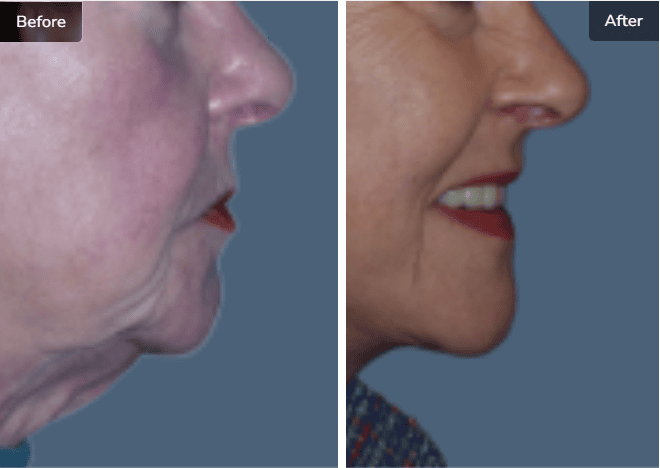
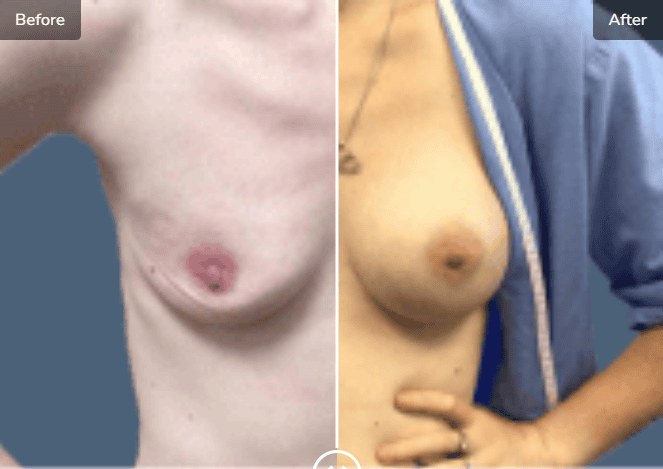
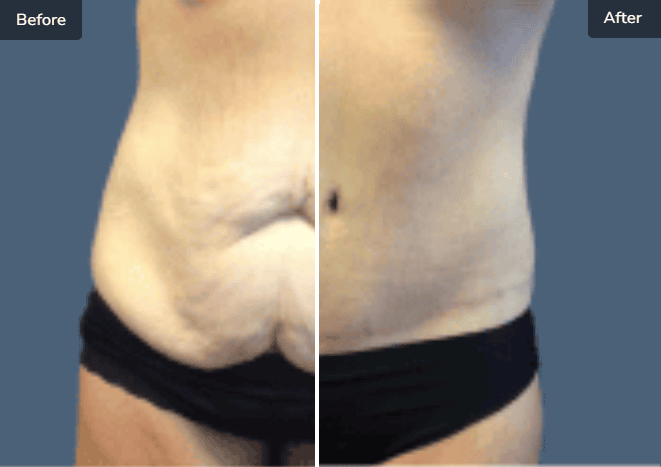
Facial fat transfer (also called fat grafting) is a surgical procedure in which fat is removed from one area of the body — typically the abdomen, flanks, or thighs — purified, and injected into targeted areas of the face where volume has been lost. It is used to restore facial fullness, smooth hollows, and create a more youthful, balanced appearance using the patient’s own tissue.
Fillers are temporary injectable gels that add volume for six to eighteen months before being absorbed. Fat transfer uses your own fat, which partially integrates permanently into the surrounding tissue. Results from fat transfer are longer lasting, there is no risk of allergic reaction, and there is no concern about filler migration over time. Fat transfer requires surgery and recovery; fillers do not. For patients with significant volume loss, fat transfer typically provides more durable correction.
“Ozempic face” refers to the facial deflation that can accompany rapid weight loss from GLP-1 medications like semaglutide. When the body loses fat quickly, the face loses volume in the cheeks, under the eyes, around the temples, and along the jawline — creating a gaunt, aged appearance. Facial fat transfer directly restores that lost volume using your own fat, addressing the specific structural changes that GLP-1 medications can cause.
A portion of the transferred fat — typically 40 to 70 percent — is permanently retained and integrates into the surrounding tissue. The remainder is gradually reabsorbed in the weeks following surgery. Results can last many years, though they are not immune to the ongoing effects of aging. Many patients find that one fat transfer procedure provides lasting correction without needing repeat treatments.
Most patients experience swelling and bruising for one to two weeks, with the majority of visible swelling resolving within three to four weeks. Final results become apparent over two to three months as residual swelling fully subsides and the retained fat settles. Most patients return to normal activities within one to two weeks. Dr. Freedland will provide detailed post-operative instructions and is involved in follow-up care throughout recovery.
Good candidates are patients with noticeable facial volume loss — whether from aging, weight loss, or GLP-1 medication — who are in good overall health and have realistic expectations. Candidates need to have adequate donor fat available for harvesting. The procedure is not well-suited for patients with very little body fat or those seeking minor maintenance-level correction. Dr. Freedland will assess candidacy during your consultation.
Yes. Fat transfer is frequently combined with facelift, eyelid surgery, or other facial rejuvenation procedures to address both volume loss and skin laxity in the same surgical session. For patients who have also had significant body changes — such as post-weight-loss patients — fat transfer to the face can be combined with body contouring in a staged approach. Dr. Freedland will discuss what makes sense for your specific situation.
Request a consultation online at freedlandmd.com/contact or call (248) 901-0011. The office is at 36400 Woodward Ave, Suite 130, Bloomfield Hills, MI 48304 — serving patients from Birmingham, Troy, West Bloomfield, Clarkston, and throughout Oakland County.

36400 WOODWARD AVE #130
BLOOMFIELD HILLS, MI 48304
PHONE: 248-901-0011
EMAIL: INFO@FREEDLANDMD.COM
MONDAY 9:00AM TO 5:00PM
TUESDAY 9:00AM TO 5:00PM
WEDNESDAY 9:00AM TO 5:00PM
THURSDAY 9:00AM TO 5:00PM
FRIDAY 9:00AM TO 3:00PM
SATURDAY By Appointment