
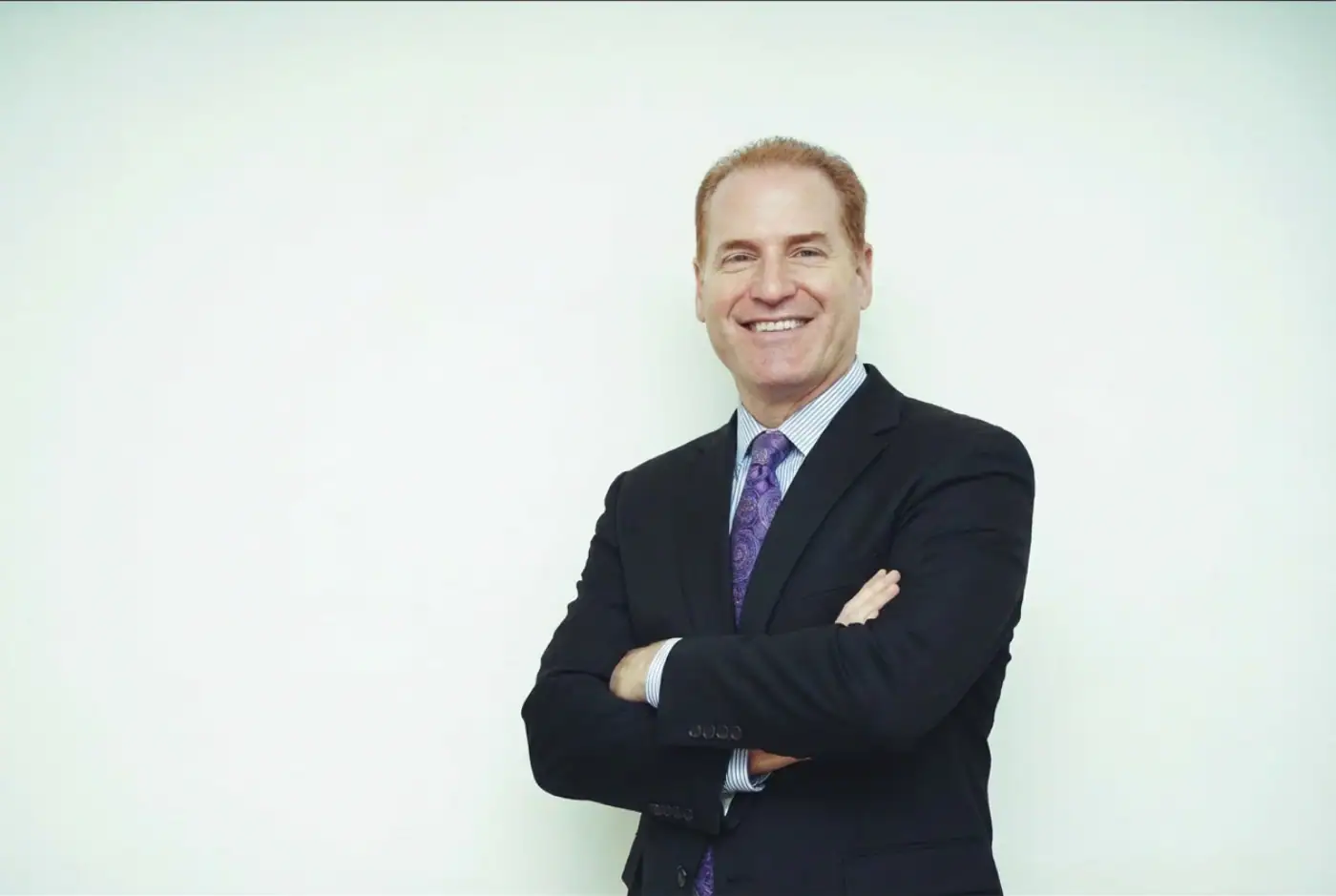
If you’re looking for a plastic surgeon in Birmingham, Michigan, you’re likely trying to answer a simple question with a lot riding on it: “Who can I trust with my face or body?” That’s the right question. Cosmetic surgery is personal, and it should feel calm, clear, and well-planned from the first conversation through recovery.
This article is a practical guide to help you choose a surgeon, understand what a good consultation looks like, and set realistic expectations around safety, results, and recovery. If you’d like to schedule a consultation with Dr. Michael H. Freedland, you can request a visit here: Book a Consultation.
Start with the standards that protect you
Online lists and “best of” articles can be more entertainment than guidance. When you’re choosing a plastic surgeon, you’ll get better answers by checking a few foundational standards, then deciding whether you like the surgeon’s approach and aesthetic style.
- Board certification: Confirm certification by the American Board of Plastic Surgery (ABPS).
- Procedure experience: Ask how often the surgeon performs the procedure you’re considering.
- Safety setting: Understand where surgery is performed and who provides anesthesia.
- Before-and-after consistency: Look for balanced, natural results across many patients, not one standout photo.
- Clear communication: You should leave the consult with a plan you understand, including trade-offs and timeline.
The goal is simple: choose a surgeon whose training and process reduce risk, and whose results look like the kind of refinement you actually want.
What “board-certified” really means
Board certification matters because it reflects structured training and ongoing education in plastic surgery. It’s one of the cleanest signals that a surgeon meets specific standards for knowledge, technique, and patient safety.
That said, credentials do not replace the human side of the decision. You should still expect your surgeon to explain options in plain language, review risks honestly, and recommend a plan that fits your goals, not a one-size-fits-all menu.
A consultation should feel structured, not salesy
A good consultation is where clarity replaces guesswork. In most cases, it follows a simple rhythm:
- Goals: What you want to improve, and what you want to keep the same.
- Evaluation: A focused exam to understand anatomy, skin quality, and what will look natural on you.
- Options: The safest and most effective ways to reach your goal, including trade-offs.
- Plan: A clear next step, plus an outline of cost range, timing, and recovery.
You should never feel rushed. You should also never feel like you need to “sell yourself” into being a candidate. A thoughtful plan comes from careful patient selection and honest expectations, not enthusiasm.
Surgical and non-surgical options can work well together
Many patients assume it’s either surgery or injections. In reality, the best results often come from choosing the right tool for the job. Surgery is usually the best option when the issue is structural, like loose skin or significant contour changes. Non-surgical treatments can be a great fit when the goal is subtle refinement or maintenance.
When non-surgical care makes sense
- Expression lines: A targeted approach can soften certain lines without changing how you look.
- Volume support: Small changes can restore balance when volume loss is mild to moderate.
- Skin quality: Some treatments can improve texture and tone with little downtime.
Non-surgical care should feel purposeful. If you’re doing “a little of everything” every few months, it’s worth stepping back and building a plan.
When surgery is usually the better fit
- Skin laxity: Loose skin generally needs surgical tightening for meaningful improvement.
- Contour change: When shape is the issue, surgical contouring can be more predictable.
- Longer-lasting results: Surgery often provides the most durable change for the right candidate.
How to evaluate before-and-after photos the right way
Before-and-after photos should help you understand the surgeon’s “style.” Some surgeons lean toward dramatic changes, others toward subtle refinement. Neither is automatically right or wrong, but you should choose what matches your goal.
A few tips that help patients avoid getting misled:
- Look for consistency: One great photo is not the point. Repeated, balanced outcomes are.
- Find a similar starting point: Your anatomy and skin quality matter.
- Watch for photo tricks: Lighting, posture, and angles can exaggerate differences.
- Focus on proportion: The best results look harmonious, not “done.”
Safety questions you should feel comfortable asking
It’s normal to feel nervous asking safety questions. Ask anyway. A good surgeon expects it, and answers clearly.
- Where will the procedure be performed? Ask about the facility and its standards.
- Who provides anesthesia? Ask who monitors you and what safety protocols are in place.
- What does follow-up look like? Know the schedule and how concerns are handled.
- What are the most common complications for this procedure? You want honest context and prevention steps.
One simple test: if the answers feel vague, or you feel brushed off, keep looking.
Recovery is a timeline, not a weekend
Most patients feel better quickly, then get surprised that final results take time. That’s normal. Swelling, firmness, and scar maturation follow their own schedule, and your surgeon should prepare you for that.
A practical way to think about recovery:
- Week 1: Rest, swelling management, incision care, short walks, and avoiding strain.
- Weeks 2–3: Many people feel more like themselves, but healing is still active.
- Weeks 4–6: Gradual return to activity, depending on the procedure and how you’re healing.
- Months 3–6: Contour refines, scars mature, and results become more “settled.”
During your consultation, make sure you leave with a clear, realistic plan that fits your schedule. If you can’t describe the first week in plain terms, you probably did not get enough detail.
Cost and value: what you’re really paying for
Pricing varies based on the procedure and the setting. What matters most is transparency. You should understand what’s included, such as surgeon’s fee, anesthesia, facility costs, follow-up care, and any garments or post-op support.
Avoid comparing prices the way you compare flights. Surgery is not a bargain hunt. The value comes from safety, predictability, and results that look right on you.
Frequently Asked Questions
What should I consider when choosing a plastic surgeon?
Start with board certification and experience in the specific procedure you’re considering. Then look at before-and-after photos for consistency and natural proportion. Finally, pay attention to the consultation itself. You should feel heard, respected, and clear on what is realistic.
What are the risks associated with plastic surgery?
All surgery carries risk. Common concerns include infection, bleeding, scarring, anesthesia reactions, and the possibility of an outcome that does not match expectations. Each procedure also has procedure-specific risks. The right consultation includes a clear review of risks, prevention steps, and how complications are managed if they occur.
How long is the recovery period after surgery?
Recovery depends on the procedure and your individual healing. Some treatments require just a few days of downtime, while larger procedures often require several weeks before normal activity and several months for final results. Your surgeon should give you a personalized timeline with activity restrictions and follow-up milestones.
Are non-surgical options effective?
Yes. Non-surgical treatments can deliver meaningful improvement with less downtime, especially for subtle refinement and maintenance. Results are typically temporary, so ongoing treatments may be needed. The best approach is targeted, with a clear goal and realistic expectations.
How can I prepare for my consultation?
Bring your goals, your questions, and any relevant medical history. If you have reference photos for the “vibe” you like, bring those too. Be ready to discuss lifestyle factors like smoking, medications, and weight changes, since these can affect safety and results.
Next step
If you’re considering cosmetic surgery and you want a clear, personalized plan, schedule a consultation. You can request a visit here: Book a Consultation.
